Tariffs on Canada and Brazil are the latest reminder that trade policy shifts fast, and Foreign Trade Zones are one of the few tools that help on both the import and export side.
Washington issued a 50% tariff on a wide swath of Canadian goods and a 25% tariff on Brazilian imports this month, alongside a new domestic aluminum incentive program, with more actions reportedly on the way. The specifics keep shifting. The pattern doesn't: trade policy is moving fast, and it isn't slowing down.
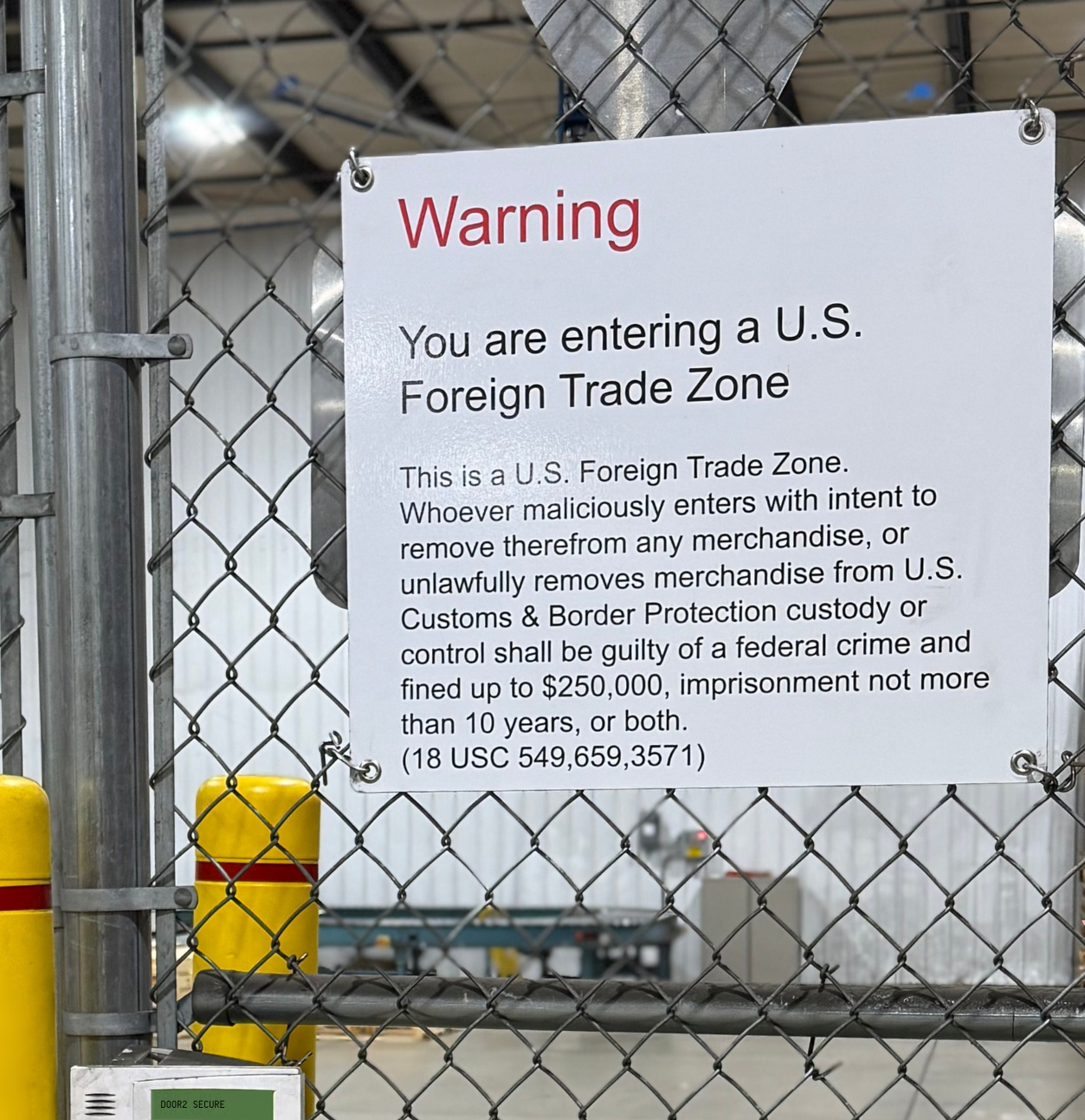
Worth knowing: both the Canada and Brazil actions require goods entering a Foreign Trade Zone to be admitted in “Privileged Foreign” status, with an exception for goods eligible for Domestic zone status. That locks in classification and duty treatment at the moment of admission, even if the rate changes again later.
That kind of lock-in matters more when the underlying rules keep moving. An FTZ isn't just a hedge on inbound tariffs. It also gives exporters a way to manage the same uncertainty from the other direction: goods brought in, processed, and shipped back out of the zone without entering U.S. commerce don't owe U.S. duty at all, which is useful if your supply chain runs both ways.
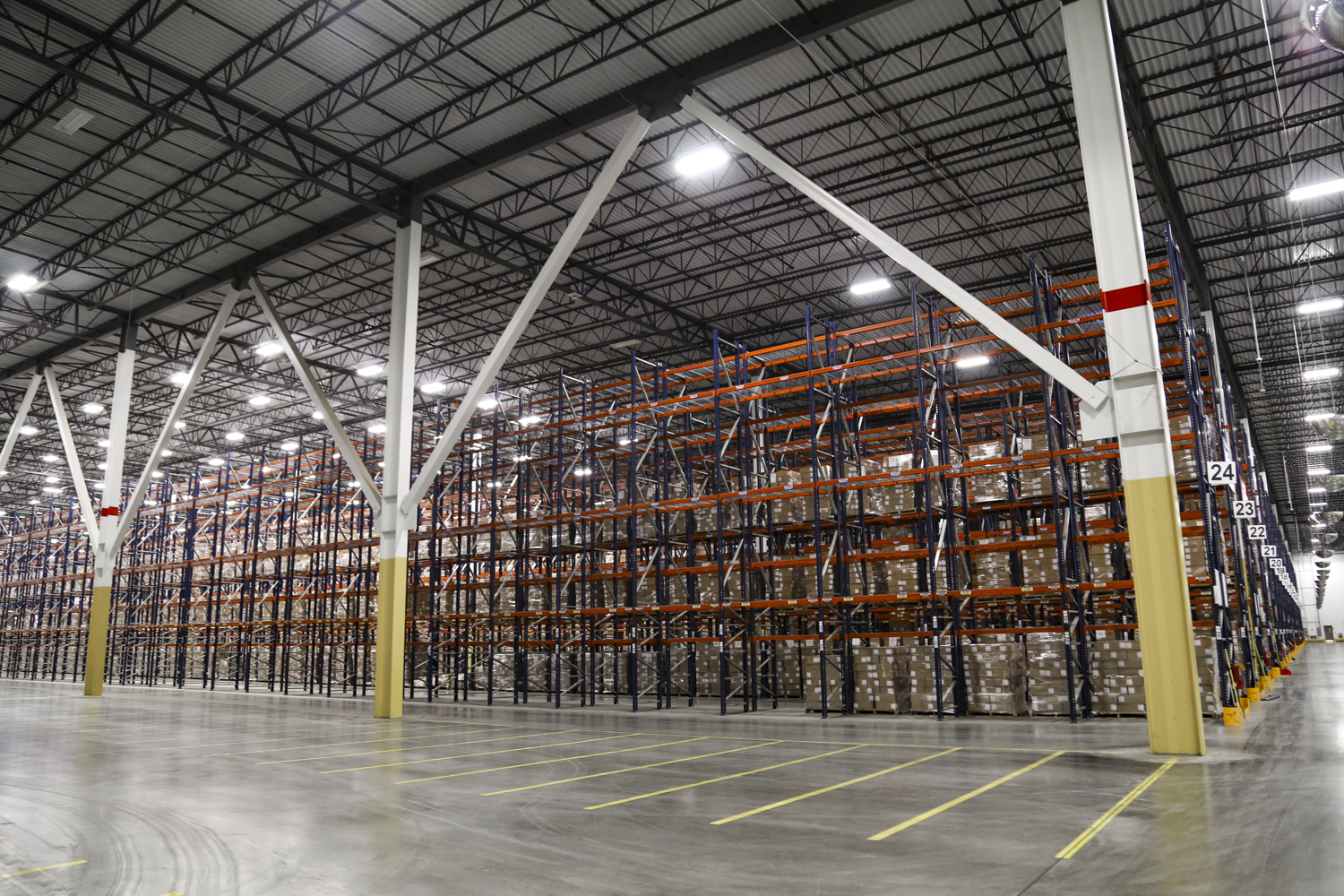
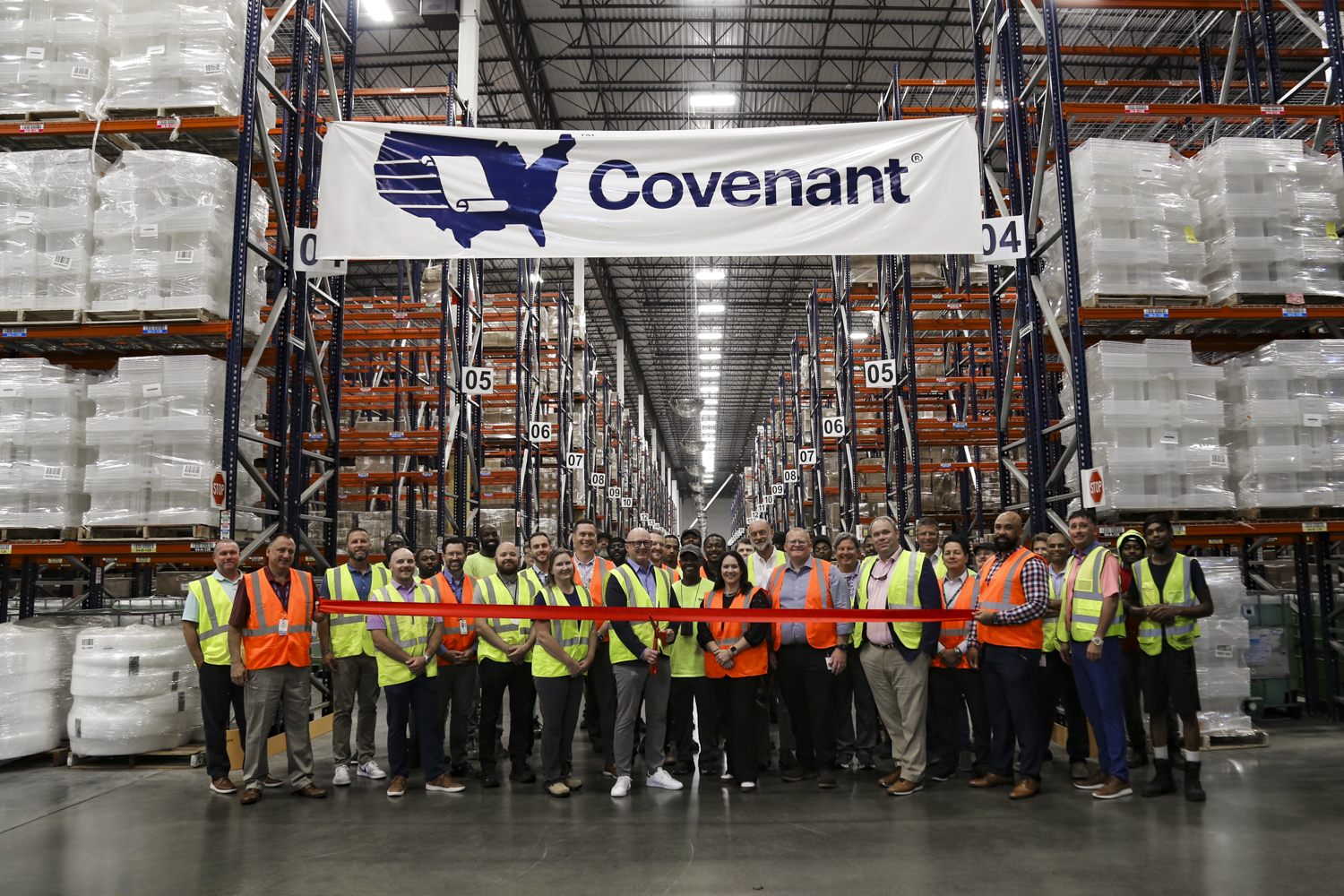
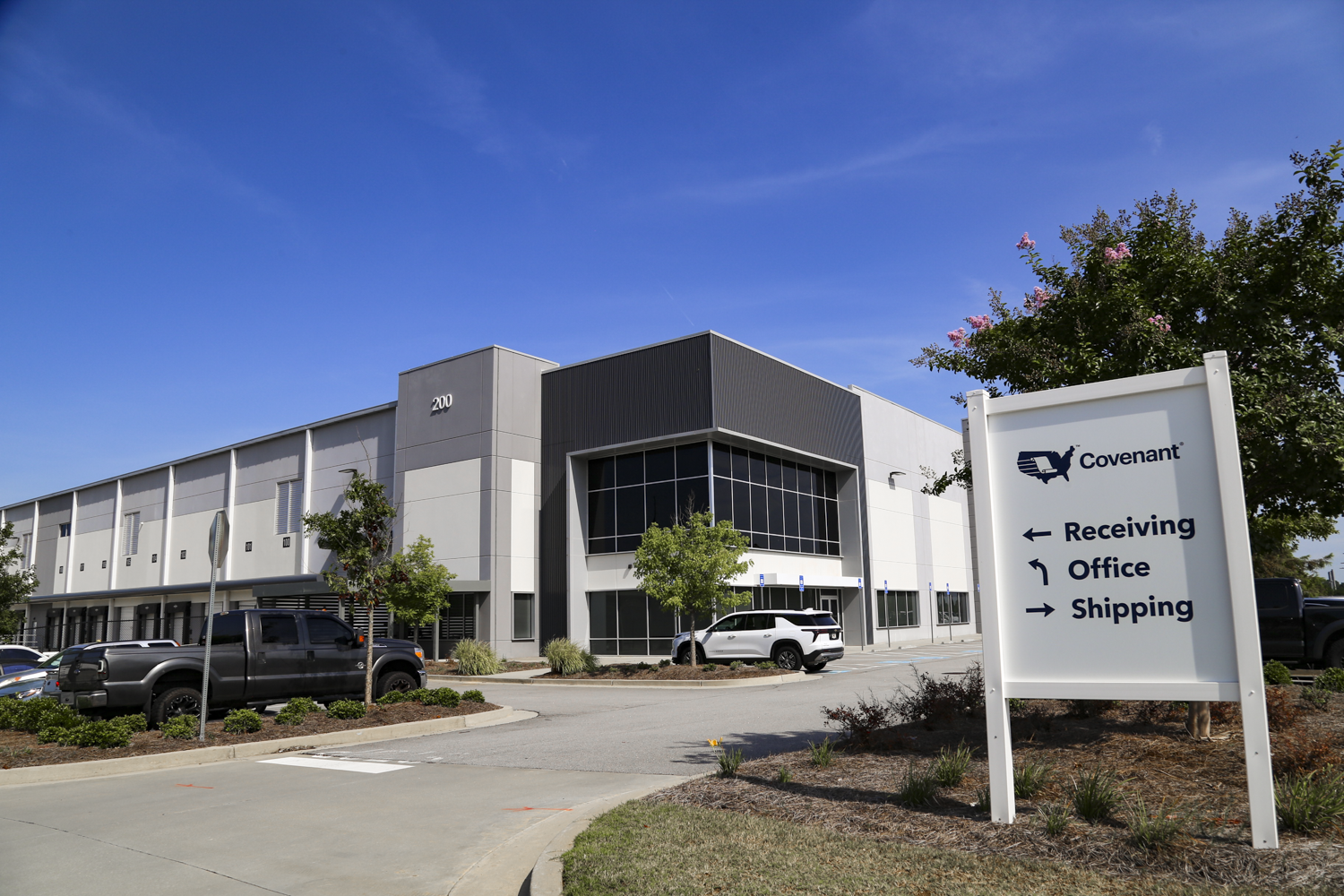
Here's what's concrete right now: our Atlanta facility is now an active Foreign Trade Zone with up to 175,000 square feet available, offering both racked and bulk storage. It's a Class A, cross-dock facility close to the airport, built to move inventory efficiently rather than just hold it.
Space like this is valuable precisely because the rules keep changing underneath it. If you're moving meaningful volume and want to talk through what fits in the Atlanta FTZ, let's connect. Worth a quick mention too: we're also opening general food-grade warehouse space, not FTZ, in Grand Prairie, Texas this August, if that's useful for your operations.