At Covenant Logistics, we see firsthand how global supply chains are being reshaped. The challenge today goes far beyond moving freight across borders. Our customers are navigating cost volatility, cash flow pressure, and operational risk in an environment shaped by tariffs, shifting trade policy, and unpredictable demand. As a result, supply chain decisions are increasingly evaluated not just for efficiency, but for resilience and financial impact.
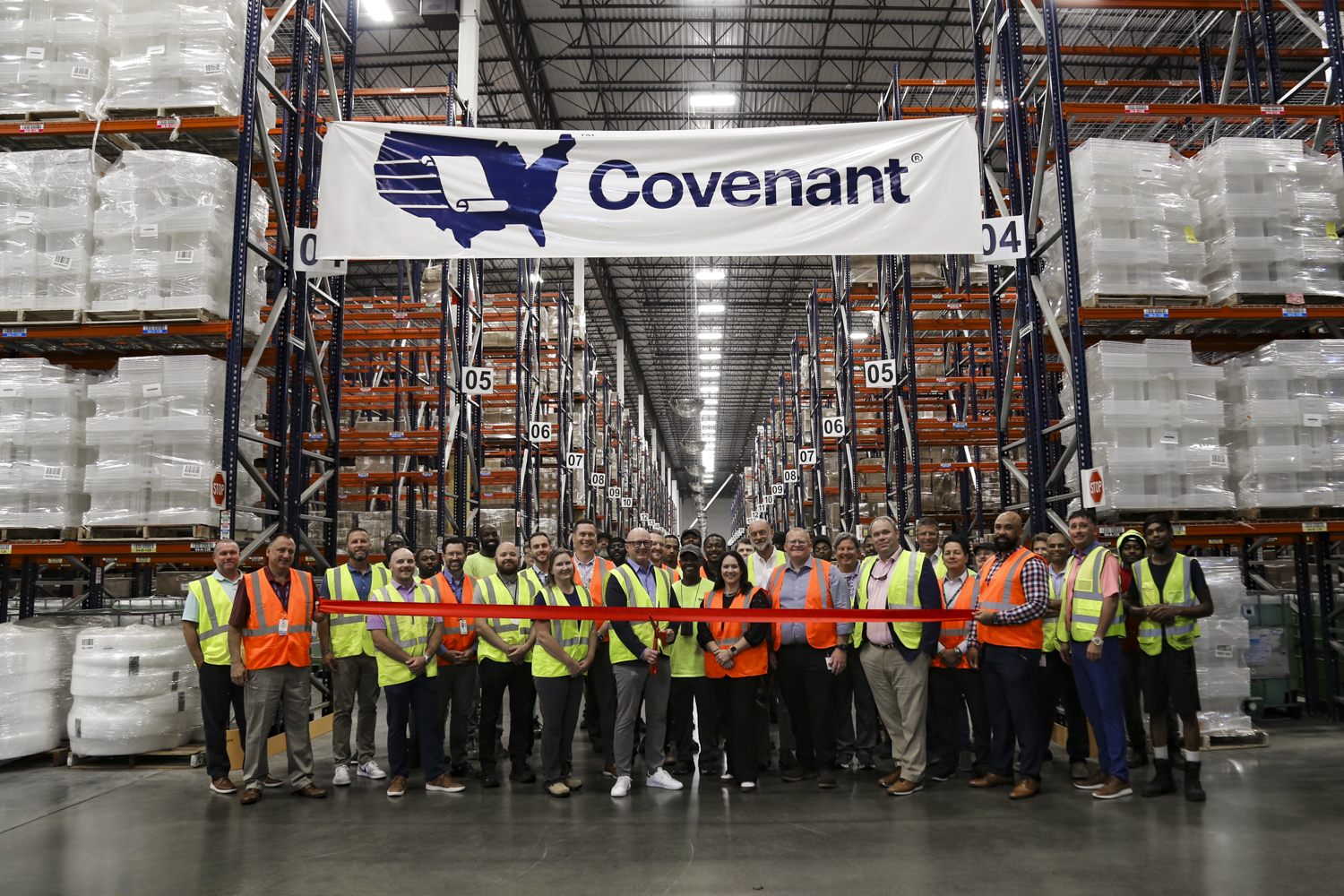
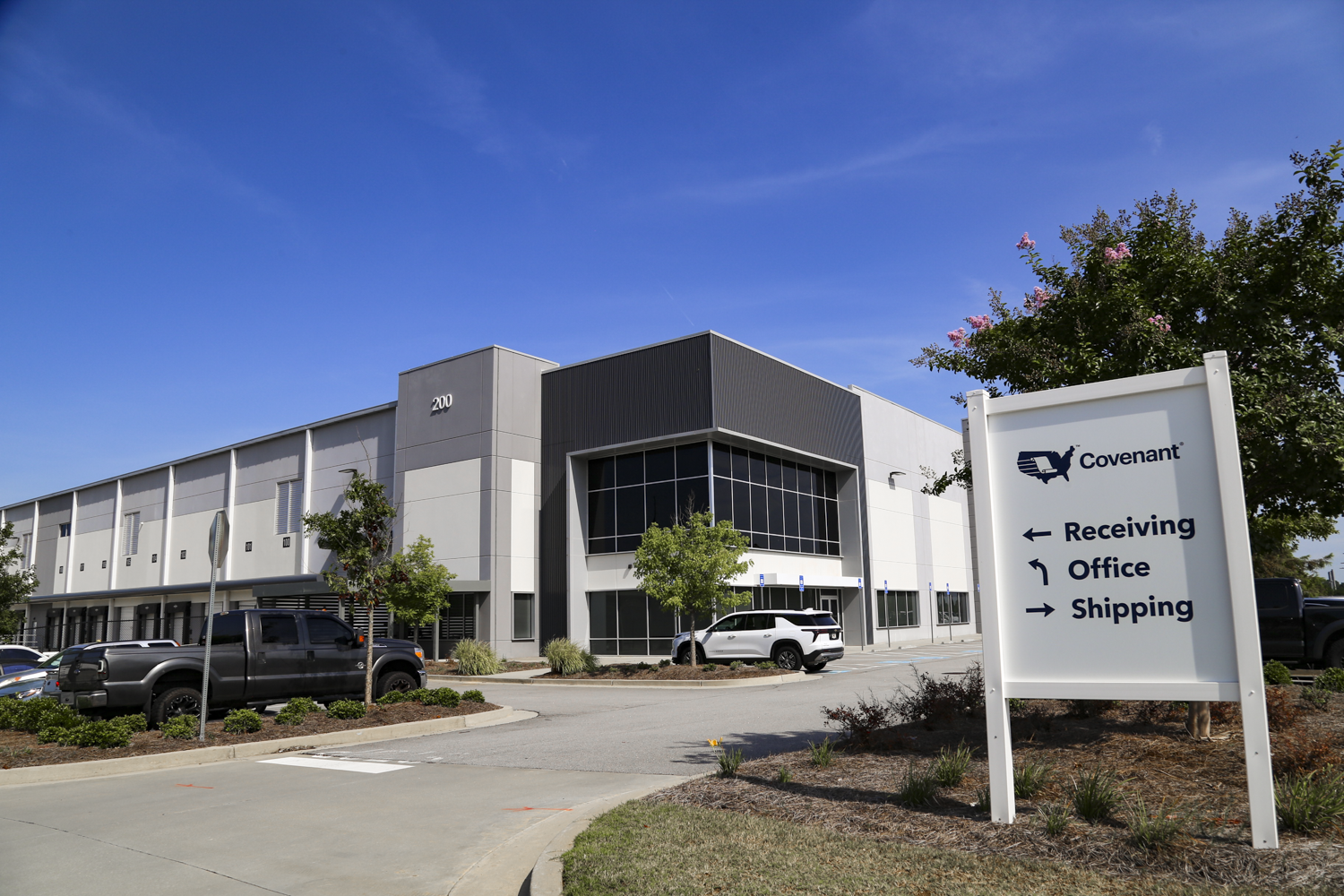
That reality is driving renewed interest in Foreign Trade Zones, or FTZs, not simply as a regulatory structure, but as a strategic business consideration. To support customers operating in this environment, Covenant Logistics is expanding its capabilities by activating Foreign Trade Zone No. 26 at a major Atlanta distribution center. This investment is designed to give customers greater flexibility in how they manage landed costs and international inventory within their broader supply chain strategy.
Why FTZs Are Gaining Renewed Attention
Across industries, tariff uncertainty and ongoing supply chain disruption have pushed companies to rethink how and where inventory is held. Industry experts have noted that FTZs can allow organizations to align duty payments more closely with actual demand rather than paying duties as soon as goods arrive in the country, an approach highlighted by GEODIS as one-way companies manage cash flow and working capital.
FTZs can also support more advanced cost management strategies in the right scenarios. Port authorities such as Ports of Indiana explain that when finished products carry lower duty rates than their individual components, companies may be eligible to pay duties at the lower finished-product rate. For businesses that re-export a portion of their goods, organizations like the Capital District Regional Planning Commission note that FTZs can eliminate U.S. duties altogether under qualifying conditions.
Potential Benefits of Covenant’s Atlanta FTZ
Covenant’s upcoming Foreign Trade Zone is designed to support a range of operational and strategic benefits for customers with international supply chains, depending on product mix, trade lanes, and operating structure.
• Duty deferral and cost management Eligible imported goods may move through the facility in a duty suspended status, allowing companies to defer, reduce, or, in some cases, eliminate customs duties until products enter U.S. commerce. Goods that are ultimately re exported may avoid U.S. duties altogether.
• Improved import and export flow FTZ enabled operations can help streamline certain customs processes, reducing delays and improving the overall flow of imports and exports while adding flexibility for international shipments.
• Compliance and risk mitigation Our Atlanta FTZ is being developed to meet U.S. Customs and Border Protection standards, supported by secure site enhancements, controlled access, and documented procedures intended to reduce regulatory risk and minimize the likelihood of disruptions.
• Strategic supply chain advantage By aligning warehousing and transportation capabilities, the Atlanta FTZ supports a more future ready distribution model. This approach helps customers adapt to changing volumes, explore new opportunities, and advance broader warehouse of the future initiatives focused on efficiency, flexibility, and long term resilience.
FTZs as a Long-Term Supply Chain Advantage
Industry publications such as Inbound Logistics increasingly describe FTZs as a long-term supply chain advantage rather than a short-term cost-savings tactic. When paired with integrated warehousing and transportation, FTZs can give companies greater control over inventory positioning and duty exposure, helping them respond more effectively to market shifts and operational uncertainty.
Our FTZ capability reflects Covenant Logistics’ broader commitment to helping customers move beyond transactional logistics toward smarter, more resilient supply chain strategies.
Is an FTZ Right for Your Business?
Every supply chain is different. Covenant Logistics can help evaluate whether a Foreign Trade Zone strategy aligns with your business objectives, operating model, and international footprint.
Learn more about Covenant’s Distribution Center Management capabilities